
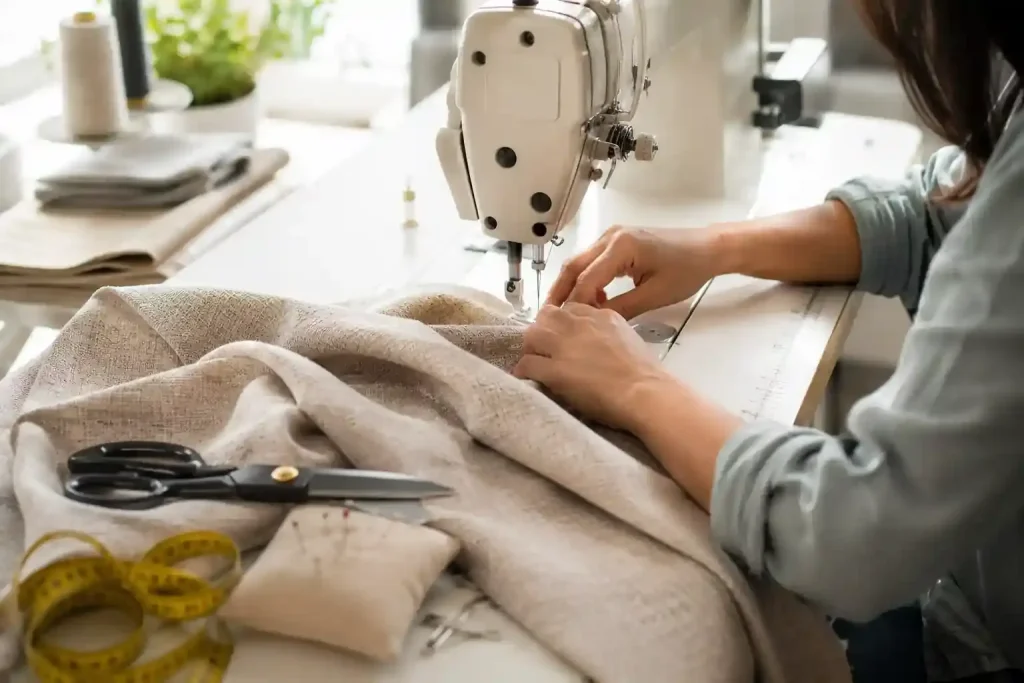
Learning how to make curtains is simpler than expected. All you truly need is good fabric, accurate measurements and a little patience here. Dubai’s bright sun makes fabric choice important. This guide walks you through every single step, from fabric to hanging. Your windows will look tailored without a tailor’s price.
What You Need to Make Curtains
Gather your tools before cutting any fabric. Having everything ready saves time and avoids mid project trips to the shop.
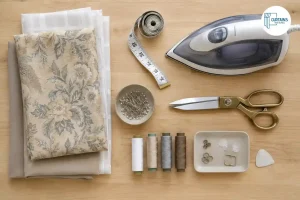
- Curtain fabric and lining (if using).
- Measuring tape and a long ruler.
- Fabric scissors or a rotary cutter.
- Sewing machine and matching thread.
- Pins, an iron and a flat cutting surface.
- Curtain heading tape, rings or eyelet kit.
- Curtain rod or track.
A clean and spacious table makes cutting much easier. Working on the floor works too, as long as the fabric stays flat throughout.
How to Choose the Right Curtain Fabric for Dubai Homes
What fabric is best for curtains depends on your room. It also depends on the light in that room and Dubai’s intense summer heat. Heavier fabrics such as velvet block strong sunlight. Cotton blends also reduce indoor heat which suits bedrooms and west-facing rooms. Lighter fabrics like linen suit living rooms well. Voile works nicely too, giving a soft and breezy look throughout the whole space.
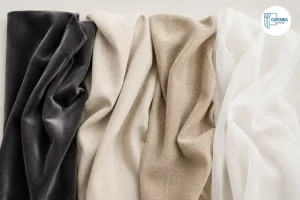
Good curtain fabric and lining work together to control light. Lining also helps protect the outer fabric from harsh sun damage over time. Learning how to make blackout curtains starts with choosing the right lining. Learning how to make lined curtains adds extra insulation and better light control. Blackout lining suits rooms with strong glare. It also helps people who sleep during the day like shift workers. Always pick fabric that cleans easily and quickly. Dust settles fast in this dry climate so easy care fabric saves real effort later.
How to Measure Your Windows for Curtains
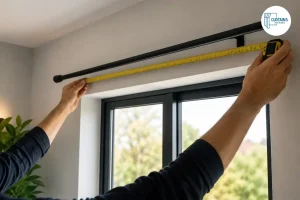
Accurate curtain measurements form the base of a good finish. Measure your rod’s width first, then double or triple it based on the fullness you want. For length, measure from the rod downward.
Decide if curtains should end at the sill, below it or pool. Always measure your windows very carefully twice. A tiny error now becomes a much bigger problem once fabric gets cut later.
How to Calculate How Much Fabric You Need
Once measurements are set then calculate your fabric quantity. Add extra allowance for hems, headings and any pattern matching needed later.
| Curtain Part | Extra Allowance |
| Top hem/heading | 15–20 cm |
| Bottom hem | 15 cm |
| Side hems | 3–5 cm each side |
| Pattern repeat | Add one full repeat per drop |
Wide windows need more than one fabric width. You’ll then need to join two or more separate panels together carefully. Many people later search for how to make curtains longer after buying ready made ones. Always round your total up, never down. Running short of fabric mid project is both frustrating and quite expensive to fix later.
How to Cut and Prepare the Fabric
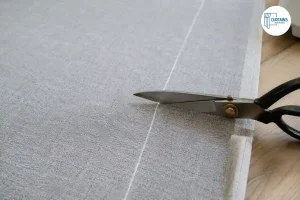
Lay the fabric flat and press out creases. Use a ruler and chalk to mark straight, accurate lines each time. This step shapes the whole curtain making process. It determines how neatly the final curtain panel eventually hangs on the rod itself. Cut both panels to the exact same length. Matching patterns across each drop takes care but gives a far more polished result.
How to Sew Curtain Panels
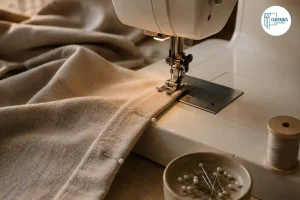
Sewing curtains starts by joining fabric widths together. Use a flat felled or French seam here for lasting durability and extra strength. Press each seam open before you continue sewing. This small step keeps every panel lying completely flat and even throughout. Next, fold and pin each side of them. Stitch close to the folded edge for a clean and neat final result.
Sewing curtain panels is mostly repetitive, simple work. Just fold, pin, press and sew each section one at a time. Take extra time and care on every corner. A neat mitre at the base of each hem noticeably lifts the whole finished look. This matters most for visible and forward-facing hem corners. Anyone following a set curtain sewing pattern should check panel width against the plan here. Beginners often prefer simple curtain sewing patterns for extra confidence and speed. Overall how to sew curtains just takes patience and a few simple steps.
How to Make Different Curtain Header Styles
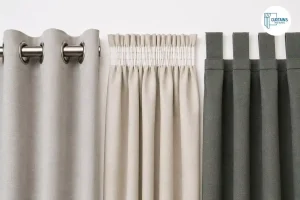
The header shapes how curtains fall and hang. Below are four popular header styles worth trying in any home today.
-
Eyelet
Learning how to make eyelet curtains starts with fitting metal rings. These rings fit through reinforced holes and slide straight onto the curtain rod easily. Metal rings slide onto the rod easily, and different types of curtain hooks work the same way depending on the header style you pick. This creates soft, even folds with minimal effort.
-
Pencil Pleat
Pencil pleat curtains rely on heading tape drawstrings. Pulling the cords gathers fabric into tight, even folds across the whole panel width. This style suits most standard tracks and rods.
-
Tab Top
Fabric loops sit sewn along the top edge. These loops thread directly onto the rod for quick and easy hanging today. It is a relaxed style suited to light fabrics.
-
Rod Pocket Curtains
A stitched channel sits along the top edge. The rod passes straight through this channel, holding the fabric neatly in place there. Many beginners search for how to make curtains with rod pockets specifically. This header suits beginners learning to sew curtains.
A pelmet adds a stylish and finished header topper. Learning how to make a curtain pelmet just means covering the rod with a decorative board. Some homeowners instead explore how to make beaded curtains for doorways.
How to Hem Curtains for a Neat Finish
A clean hem gives curtains a tailored look. Fold the fabric up by your chosen allowance, press it flat, fold again then pin and stitch. Many people also ask how to make curtains without sewing entirely. You can learn how to hem curtains without sewing using fabric tape instead.
Just use some fabric adhesive tape and a warm household iron quickly. This no-sew method suits quick fabric fixes well. It works especially well for lightweight fabrics needing no heavy stitching at all. This approach shows how to make curtains easy for total beginners too.
How to Hang Curtains in Dubai Homes
Mount the rod slightly above the window frame. This simple trick makes ceilings feel taller and rooms appear more spacious overall instead. Leave enough width on either side too. This lets curtains fully clear the window glass once pulled wide open each time.
This also lets in maximum natural daylight. Sunnier rooms benefit from double tracks holding both sheer curtains and blackout curtains together nicely. This combination adds welcome light control flexibility.

Common Mistakes to Avoid When Making Curtains
Many first time projects fail at the same stages.
- Cutting fabric before double checking measurements.
- Skipping the pre wash, causing shrinkage after cleaning.
- Ignoring pattern matching between joined panels.
- Using a header style that does not suit the fabric weight.
- Rushing the hem instead of pressing and pinning properly.
Slowing down carefully at each stage avoids most of these common problems.
DIY Curtains vs Made-to-Measure Curtains in Dubai
Making your own curtains feels rewarding and budget friendly. It suits simple windows and beginner friendly fabrics best, especially for first time sewers here too. It also takes real time, skill and patience. Getting header styles like pencil pleat looking professional takes some genuine trial and error. Larger windows or heavy fabrics need extra care.
Made to measure curtains from Curtains & Blinds remove that guesswork entirely for larger or trickier windows in Dubai. Our team measures, sources fabric and installs everything. Dubai homeowners get a fully tailored result without spending an entire weekend sewing themselves. DIY curtains are usually cheaper for simple windows, but how much curtains cost really depends on the fabric and size you choose. A professionally finished window treatment often saves both stress and effort later.
FAQs
How can I make my own curtains?
Start by measuring your window frame carefully first. Then choose fabric, cut panels with hem allowance, sew the sides and hem carefully.
Is it cheaper to buy or make your own curtains?
DIY curtains are usually cheaper for simple windows. Made-to-measure curtains often offer better value for large or oddly shaped windows though.
How to make a handmade curtain?
Cut fabric to size then sew hems carefully. Finish with your chosen hanging method, like rings or a rod pocket.
Is making your own curtains hard?
It isn’t hard once you learn the basics. A polished and professional finish does take some practice with measuring and sewing.
What type of fabric is best for curtains?
Heavy fabrics like velvet suit blackout needs well. Lighter fabrics like linen or voile suit airier and breezier rooms much better.