
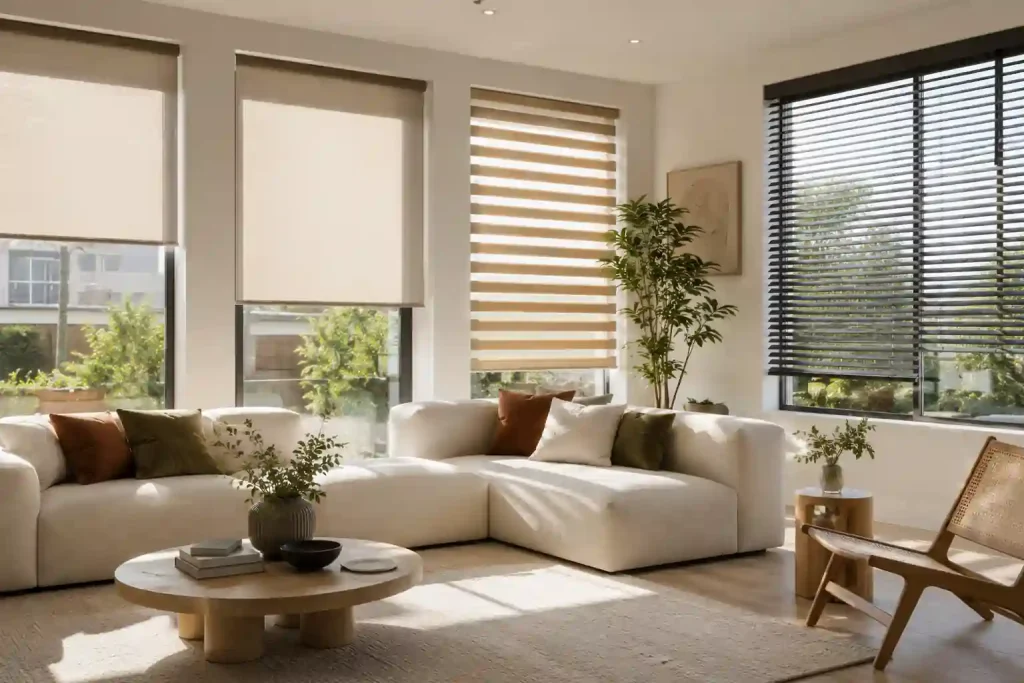
Choosing a window covering often feels harder than it should. Fabrics, mechanisms, and finishes flood the market today. Most buyers just want a straight answer. This guide walks through the different types of window blinds found in Dubai homes and offices. We cover it room by room and material by material too. That way your final pick actually fits the space and the climate outside.
Dubai’s sun rarely lets up through the year. That one fact drives most decisions around window treatments. Heat control comes first for many buyers. Privacy and glare reduction follow close behind.
What Are the Different Types of Window Blinds?
Blinds are not a single and fixed product. They form a wide family of window coverings. Each window blind type exists for a specific reason. Some fit tight bedroom windows perfectly. Others handle wide office glass with ease. Budget and daily light habits shape the right choice. Here’s a full overview of the main window blind types used across the UAE.
-
Roller Blinds
Roller blinds rely on one flat fabric panel. It rolls smoothly up and down a tube. They stay simple and easy to operate by hand. Fabric ranges from sheer through to full blackout. That spread means one blind style suits nearly any room. The mechanism is minimal so cleaning takes seconds.
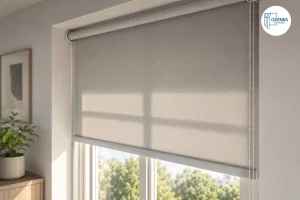
Jams almost never happen with this build. Within the different types of roller blinds, Duplex Blinds now stand out as a newer double-layer take. They pair a sheer panel with a solid one on the same roll and giving finer light control than a single fabric layer alone. Anyone browsing different types of window blinds with pictures online usually lands on roller styles first. Their clean and minimal look is the reason why.
-
Roman Blinds
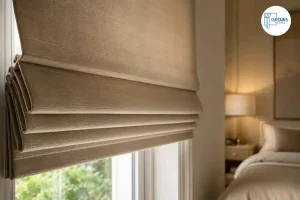
Roman blinds fold into crisp horizontal pleats once raised. That folding gives them a soft and tailored finish. Unlike a flat roller, they bring real texture into a room. Bedrooms and living rooms suit them best. A warm and fabric-rich look is usually the aim. Roman blinds come in dozens of colours and weaves. Several include blackout linings for darker sleep spaces.
-
Venetian Blinds
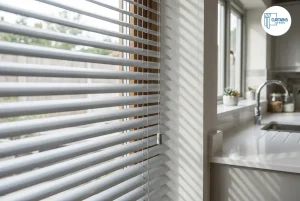
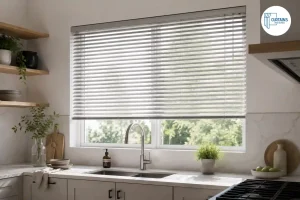
Venetian blinds use horizontal slats that tilt on command. This lets you control light without a full close. They are made from aluminium, wood, or faux wood. Each slat angles on its own axis. There is no need to raise the blind just to adjust light. That makes them a smart fit for kitchens and home offices. Rooms needing constant light changes gain the most from this design.
-
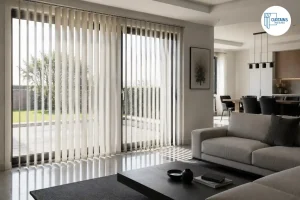
Vertical Blinds
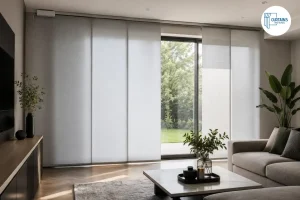
Vertical blinds hang from a headrail and rotate sideways. They are built for sliding doors and broad glass walls. Panels glide easily along a fitted track. That smooth glide handles oversized windows without effort. Offices and open plan homes in UAE often reach for vertical blinds for this exact reason.
-
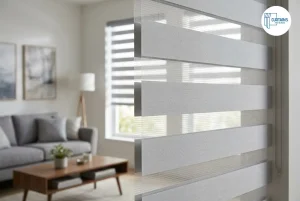
Zebra Blinds
Zebra blinds go by another name too, Layered Blinds. They stack sheer and solid fabric bands on one roll. Sliding one band over the other changes the light instantly. The blind never has to move up or down for this. That striped, layered look fits modern interiors well. Buyers get both style and function from a single fitting.
-
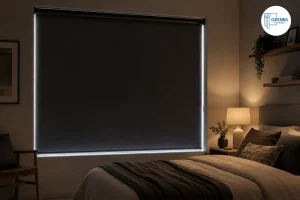
Blackout Blinds
Blackout blinds use a thick and light-blocking fabric weave. Almost no sunlight makes it through the material. Bedrooms, nurseries, and home cinemas gain the most here. Dubai’s long and sun-heavy summers make the benefit obvious fast. Past just darkness, the dense weave also adds real Thermal Window Blinds value. Rooms stay noticeably cooler because of it.
-
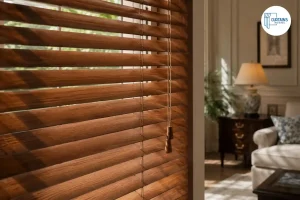
Wooden and Faux Wood Blinds
Wooden blinds give a room a warm and natural character. They suit classic and transitional interiors particularly well. Faux wood versions copy that look for a lower cost. They also handle humidity far better than real timber. That matters a great deal in a coastal city like Dubai. Both versions use the same adjustable slats as venetian styles. For a softer and fabric-based option with the same fold and Pleated Blinds are worth a look too. Either route still gives full command over light direction.
-
Motorized Blinds
Motorized blinds open, close, or tilt with a single button press. Some even respond to a smart home app directly. Tall glass and hard-to-reach windows suit this style best. Homes chasing a more automated setup often pick motorized blinds first. Many buyers now tie them into existing lighting or climate systems. One connected household routine is usually the goal.
How to Choose the Right Window Blinds for Your Home
Think about function before you think about style. What does the room actually need most? Privacy, total darkness, or purely a decorative touch? Heat control matters heavily in most UAE homes too. From there, narrow your options by material first. Let budget settle the final decision afterward. A short list of questions speeds this whole process up:
- Does the room get direct sun for most of the day?
- Is full privacy required, or just gentle light diffusion?
- Will the blind be operated by hand or by remote?
- What is the exact size and shape of the window?
These answers usually cut dozens of choices down fast. Most people land on two or three realistic options. This is often where the question what are the 3 types of blinds worth ranking first comes up, and the honest reply is roller, Venetian, and blackout, since together they cover most everyday needs.
Best Window Blinds for Different Rooms
| Room | Recommended Blinds | Why |
| Bedroom | Blackout, Roman | Full darkness and softness for rest |
| Living Room | Roman, Zebra, Wooden | Balance of style and light control |
| Kitchen | Aluminium Venetian | Moisture-resistant and easy to wipe |
| Office | Vertical, Motorized | Professional look with adjustable light |
| Sliding Doors | Vertical, Panel Blinds | Smooth operation on wide openings |
Which Window Blinds Are Best for Dubai’s Climate?
Aluminium venetian blinds cope with Dubai’s heat especially well. They reflect solar radiation rather than soaking it up. Solarette Blinds, a solar-reflective fabric type, work on a similar idea by cutting glare while still letting soft daylight filter through. Honeycomb Blinds bring another useful layer to the mix, since their cell structure traps air for insulation. That trapped air adds real thermal value in hot rooms.
Air conditioning systems often run less as a direct result. Large glass frontages need extra thought in this regard. A solar screen roller paired with a blackout layer behind it performs best. That combination balances daily comfort with genuine energy savings.
Popular Window Blind Materials and Their Benefits
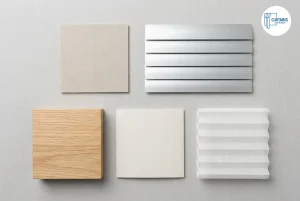
- Fabric: Broad colour choice with a soft and welcoming finish.
- Aluminium: Tough and moisture resistant, great for kitchens.
- Wood and faux wood: Natural warmth paired with strong insulation
- PVC and vinyl: Budget friendly and simple to maintain.
- Honeycomb fabric: Traps air inside cells for added insulation.
Manual vs Motorized Window Blinds
Manual blinds carry a lower upfront cost. No wiring or batteries are needed at all. That keeps them a simple pick for most rooms. Motorized Blinds cost more but bring real everyday convenience. Tall or hard-to-reach windows gain the most from this. Many UAE households now run both types side by side. Manual blinds usually stay in smaller rooms. Motorized ones tend to go into living areas or bedrooms.
Window Blinds Installation and Maintenance
Careful and professional measuring prevents gaps and poor alignment later. Most reliable suppliers offer a free measurement visit upfront. Fitting problems become far less likely as a result. For upkeep and dust fabric blinds weekly using a soft brush. Aluminium and wood slats just need a slightly damp cloth. Harsh chemicals should stay well away from wooden finishes. Over time they strip the protective coating away completely.
How Much Do Window Blinds Cost in Dubai?
Window blinds in Dubai usually cost around AED 80 to AED 350 per window. Prices shift based on material, size, and chosen mechanism. Generally roller and vertical blinds sit at the lower end. Motorized, wooden and layered options tend to cost more. Extra materials and added mechanisms explain most of that gap. The most reliable way to budget is a proper quote. Basing that quote on exact window measurements avoids guesswork later on.
Latest Window Blind Trends in Dubai for 2026
Layered and zebra blinds keep gaining ground across the city. Their dual light control appeals strongly to busy households. Motorized systems are also becoming standard in new-build apartments. Neutral tones and textured weaves are replacing bolder prints from before. Printed blinds with subtle patterns suit this shift well. Sustainability now shapes buyer choices more than in past years. More people are asking about recyclable materials and efficient fabrics.
Whatever the room or the budget, one thing stays true. The right blind matches its material and mechanism to daily needs. For a closer look at fabric samples and made-to-measure options, see our full range at Curtains and Blinds. Reach out anytime for a free measurement and quote.
FAQs
What are the different types of window blinds?
The main types include roller, Roman, Venetian, vertical, zebra, blackout, wooden, and motorized blinds. Each one fits a different room and light needs.
What are the different types of blinds?
Blinds are typically grouped by mechanism such as roller, folding, slatted, or panel styles. They are also grouped by material, including fabric, wood, aluminium or PVC.
What are the 12 types of window coverings?
Common categories include roller, Roman, Venetian, vertical, zebra, blackout, wooden, faux wood, panel, honeycomb, pleated and motorized blinds. Different types of curtains and shutters count as separate window treatments entirely.
What is the newest trend in blinds?
Motorized and smart-enabled blinds remain the most requested option right now. Layered zebra styles follow close behind for new homes.
Which type of blind is best?
There is no single best option for every household. The right pick depends on sunlight, room use and how much privacy is needed.